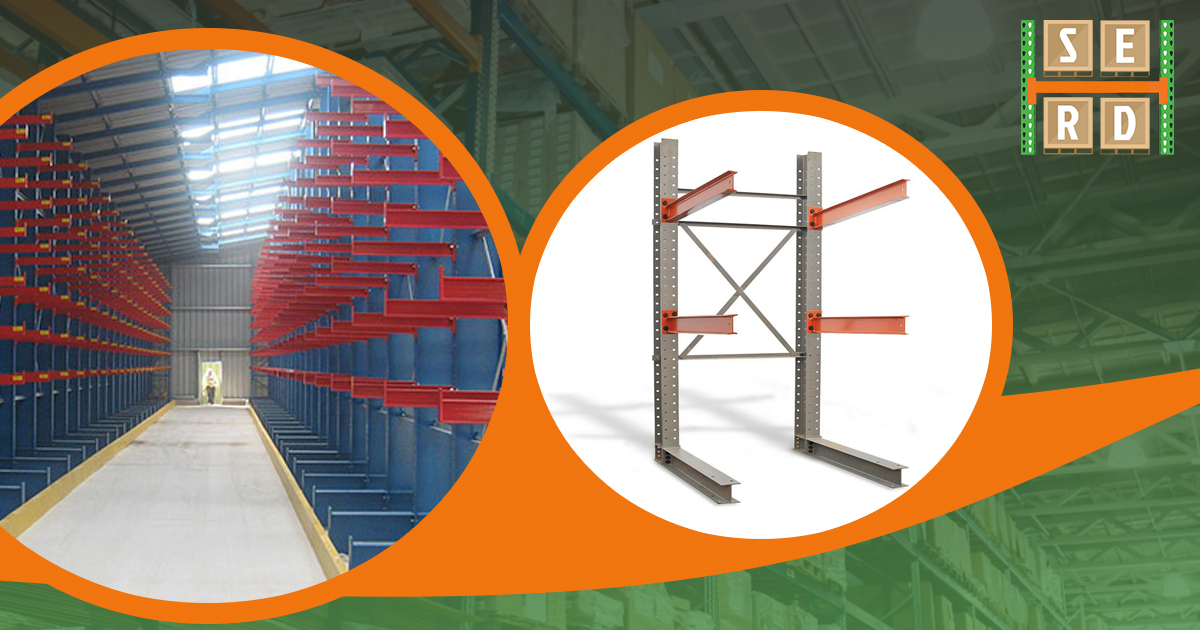
Cantilever racking: A safer and efficient storage of heavy goods.
cantilever racking is a specific type of industrial storage system designed to efficiently store long and bulky items such as lumber, pipes, steel bars, and other heavy goods. Cantilever pallet racking provides an efficient and accessible storage solution for oversized inventory, enabling improved organization and ease of handling. Cantilever racking costs can vary depending on several factors, such as size and configuration, material quality, manufacture, New vs used cantilever racking, additional accessories, and installation and delivery.
Cantilever racking is indeed a safer and more efficient storage solution for heavy goods. It is a type of industrial shelving system designed specifically for storing long, bulky, or irregularly shaped items such as lumber, pipes, steel bars, and other heavy goods.
Here are some reasons why cantilever racking is considered safer and more efficient:
- Easy accessibility: Cantilever racking features long arms or beams that extend outward, providing unobstructed access to the stored items. This makes it easy to load and unload goods using forklifts or other handling equipment. The absence of front columns or vertical supports allows for direct access to the items, maximizing efficiency.
- Increased storage capacity: It is designed to maximize vertical space utilization. It allows for high-density storage by utilizing the height of the warehouse or storage facility effectively. With multiple levels and adjustable arm positions, you can customize the racking system to accommodate goods of various sizes and lengths.
- Versatility: Cantilever racking offers versatility in terms of storage options. The arms or beams can be adjusted or removed to create different configurations based on your storage requirements. This adaptability is particularly beneficial when dealing with long or oversized items that don’t fit well on traditional shelving systems.
- Improved safety: It is built to handle heavy loads safely. The design incorporates strong and durable materials such as robust steel columns, arms, and bracing, which can withstand the weight and pressure of heavy goods. The absence of vertical supports at the front of the rack reduces the risk of accidents caused by obstructions during loading and unloading operations.
- Enhanced organization: Cantilever racking allows for organized storage of goods. You can categorize and separate different types of items on separate arms or levels, making it easier to locate and retrieve specific products when needed. This organization contributes to operational efficiency and reduces the time spent searching for items.
- Adaptability to different environments: It can be used in various storage environments, including warehouses, manufacturing facilities, lumber yards, and retail spaces. It is suitable for both indoor and outdoor applications, depending on the materials used in its construction.

Managing the storage of heavy goods on cantilever racking
Managing the storage of heavy-duty cantilever racking requires careful planning and adherence to safety guidelines. Here are some key considerations for effectively managing the heavy storage racks on cantilever racking:
- Weight Capacity: Determine the weight capacity of your cantilever racking system and ensure that the total weight of the goods being stored does not exceed this limit. It’s crucial to consider both the individual arm capacity and the overall capacity of the entire system. Exceeding weight limits can compromise the structural integrity of the rack and pose a safety risk.
- Load Distribution: Distribute the weight evenly across the arms and levels of the racking system to maintain stability. Placing heavier items closer to the uprights can help distribute the load more effectively. Avoid overloading one side of the rack, as it can cause imbalance and increase the risk of collapse or tipping.
- Proper Placement: Ensure that heavy goods are placed securely on the arms of the cantilever racking system. Verify that they are centered and well supported to prevent any tilting or shifting. If necessary, use accessories such as rack dividers, decking, or blocking to keep items in place and maintain stability.
- Clear Access Aisles: Maintain clear access aisles in front of the cantilever racking to facilitate safe loading and unloading operations. Keep the area free from obstacles or clutter that may hinder the movement of forklifts or other handling equipment.
- Regular Inspections: Conduct regular inspections of the cantilever racking system to identify any signs of damage, such as bent arms, loose connections, or rust. Address any issues promptly and follow proper repair or replacement procedures as needed. It’s important to have a maintenance plan in place to ensure the ongoing safety and integrity of the racking system.
- Employee Training: Provide comprehensive training to employees involved in the storage and retrieval of heavy goods on cantilever racking. Ensure they understand the weight capacity limits, load distribution techniques, and safety procedures specific to your racking system. Emphasize the importance of following guidelines and reporting any concerns or incidents.
Not Sure about what you need?
Contact a pro- Recent Posts
- Popular Posts
- Guide to Calculate Pallet Rack Weight Capacity
- Carpet Racks That Maximize Space: What Every Dealer Needs
- Timber Racking Systems for Safe Lumber Storage
- Selective Pallet Rack for Efficient Warehouse Storage
- Drive-In Pallet Rack Systems for Georgia Warehouses
- Timber Racking Systems for Safe Lumber Storage
- Guide to Calculate Pallet Rack Weight Capacity
- Warehouse Installation and Relocation: A Step-by-Step Guide for a Seamless Transition.
- Carpet Racks That Maximize Space: What Every Dealer Needs
- The Impact of Smart Warehouse Design Consultation on Efficiency and Cost Savings.