0
0
Wed, May 29th, 2024

Space Constraints with Warehouse Expansion Services.
Addressing warehouse space constraints through expansion services is a strategic move that can significantly enhance operational efficiency and support business growth. Warehouse expansion needs carefully planned implementation to overcome space limitations and create a more flexible, efficient, and cost-effective environment. Here’s how warehouse expansion services can help:
- Space planning and design: Warehouse expansion services can assess your current space and design a layout that maximizes available square footage. They consider factors such as aisle width, shelving placement, and workflow efficiency to make the most of your space.
- Vertical expansion: If you’re limited on horizontal space, warehouse expansion services can help you explore vertical expansion options. This could involve adding mezzanine levels or installing high-density storage solutions like pallet racking systems to utilize vertical space effectively.
- Storage solutions: Implementing the right storage solutions is essential for optimizing space. Warehouse expansion services can recommend and install various storage systems, such as pallet racks, shelving units, and automated storage and retrieval systems (AS/RS) tailored to your inventory needs.
- Optimized workflow: Efficient workflows are key to maximizing space utilization. Warehouse expansion services can analyze your current processes and suggest improvements to streamline operations, reduce congestion, and minimize wasted space.
- Material handling equipment: Investing in the right material handling equipment can enhance space utilization and productivity. Warehouse expansion services can advise on the selection and placement of equipment like forklifts, conveyors, and automated guided vehicles (AGVs) to optimize space usage and workflow efficiency.
- Compliance and safety: Ensuring compliance with safety regulations and building codes is paramount when expanding your warehouse. Warehouse expansion services can help you navigate these requirements and implement safety measures to protect both your employees and your inventory.
- Technology integration: Incorporating technology solutions such as warehouse management systems (WMS) and inventory tracking software can improve space utilization and inventory management. Warehouse expansion services can assist with integrating these technologies seamlessly into your expanded space.
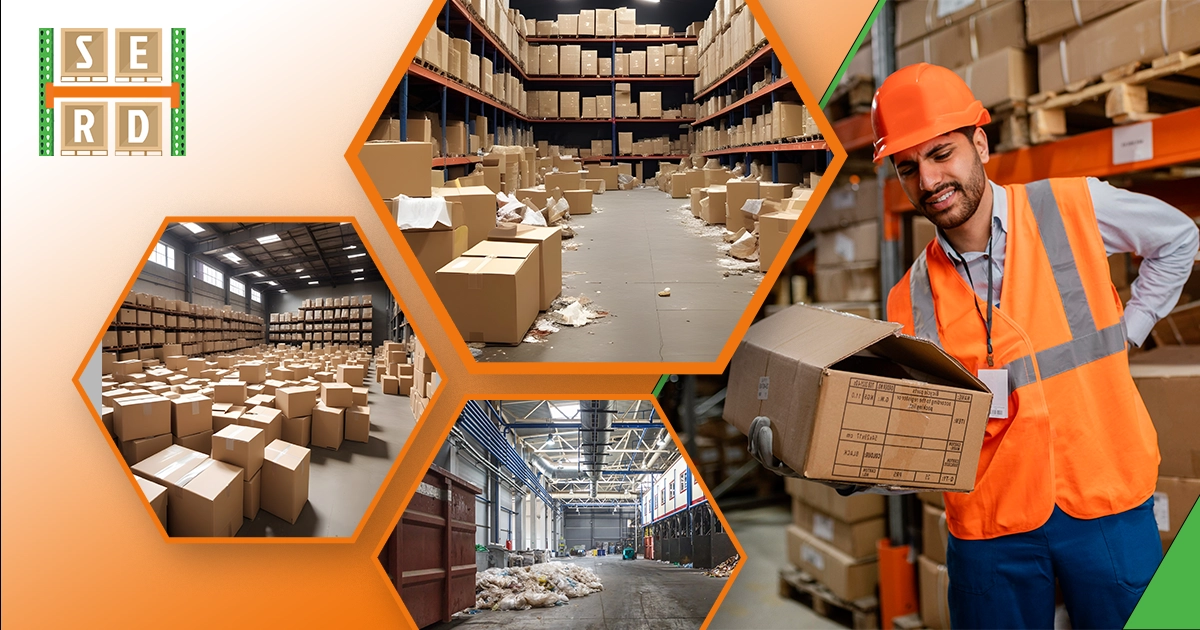
Signs That You’ve Outgrown Your Warehouse.
Outgrown warehouses can lead to inefficiencies, increased costs, and operational bottlenecks. Recognizing an outgrown warehouse is crucial for maintaining efficiency, productivity, and customer satisfaction. Here are some key signs that it might be time to expand or upgrade your warehouse space:
- Increased inventory levels: If your warehouse is consistently at or near maximum capacity, with inventory overflow in aisles or temporary storage areas, it’s a clear sign that your current space is insufficient.
- Reduced operational efficiency: When workers spend excessive time locating, retrieving, or storing items due to cramped conditions, it leads to productivity losses. Delays in shipping and order fulfillment also indicate that your warehouse space is not keeping up with demand.
- Inadequate storage solutions: Lack of proper storage solutions, such as insufficient shelving, pallet racking, or specialized storage for certain products, suggests that your warehouse can no longer accommodate your inventory needs.
- Safety hazards: Overcrowded aisles, blocked emergency exits, and cluttered workspaces pose significant safety risks. If safety risks become a recurring issue, it’s a sign that your warehouse space is overextended.
- Poor inventory management: Difficulty in maintaining accurate inventory counts and frequent discrepancies during stock takes can result from a lack of space and organization, indicating the need for a larger or better-structured warehouse.
- Inability to scale operations: If you find it challenging to scale operations to meet growing customer demand or expand your product line due to space constraints, it’s time to consider a larger warehouse.
- Customer complaints: An increase in customer complaints about delayed shipments, incorrect orders, or damaged goods can be a result of an overburdened warehouse struggling to keep up with demand.
- Expansion of business activities: If your business is growing, entering new markets, or adding new product lines, your current warehouse may not be able to support these expansions, necessitating a move to a larger facility.
- Inefficient use of space: If every inch of your warehouse is occupied and there’s no room for new equipment, improved workflows, or additional storage solutions, it’s a sign that you’ve outgrown the space.
- Increased costs: Higher costs associated with overtime, expedited shipping, or renting additional storage space off-site indicate that your current warehouse is insufficient for your needs.
Not Sure about what you need?
Contact a pro- Recent Posts
- Popular Posts
- Guide to Calculate Pallet Rack Weight Capacity
- Carpet Racks That Maximize Space: What Every Dealer Needs
- Timber Racking Systems for Safe Lumber Storage
- Selective Pallet Rack for Efficient Warehouse Storage
- Drive-In Pallet Rack Systems for Georgia Warehouses
- Timber Racking Systems for Safe Lumber Storage
- Guide to Calculate Pallet Rack Weight Capacity
- Carpet Racks That Maximize Space: What Every Dealer Needs
- The Impact of Smart Warehouse Design Consultation on Efficiency and Cost Savings.
- How Professional Warehouse Consultation Can Maximize Your Storage Potential?