


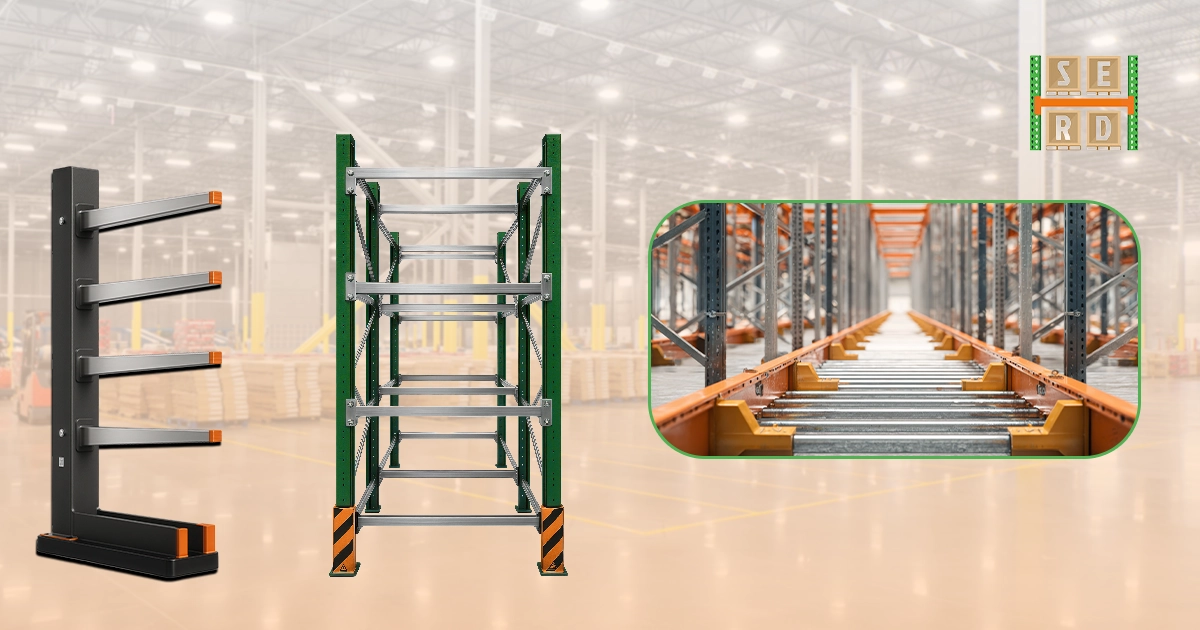
Pallet Racking: Types, Load Capacity And Dimensions
If your warehouse feels cramped, disorganized, or inefficient, your storage setup might be the real problem. Many businesses in Atlanta overlook how much productivity—and profit—they lose due to outdated or poorly designed pallet racking systems. The right setup doesn’t just store goods; it maximizes space, improves workflow, and keeps operations running smoothly.
At Southeast Rack Depot, we’ve seen firsthand how upgrading your pallet rack systems can completely transform warehouse performance. Let’s break down everything you need to know to make the right choice.
Understanding Different Pallet Racking Types
Not all warehouses are built the same, which is why there are several pallet racking systems for warehouse storage designed for different needs.
The most common option is selective pallet racking, ideal for businesses that need quick and easy access to every pallet. It’s cost-effective and flexible, making it a popular starting point.
For higher-density storage, drive-in and drive-through systems allow forklifts to enter the racking structure, storing pallets deep within the system. This is perfect for bulk storage of similar products.
Push-back racking offers a balance between accessibility and space efficiency by using a gravity-fed system that automatically moves pallets forward as others are removed.
Meanwhile, cantilever racking is best for long or oddly shaped items like pipes or lumber, while pallet flow systems are excellent for high-turnover inventory that requires a first-in, first-out (FIFO) approach.
If you’re unsure which configuration fits your needs, reviewing a detailed pallet racking types and buying guide can help you compare options effectively.
Load Capacity: Why It Matters More Than You Think
One of the biggest mistakes warehouse managers make is underestimating load requirements. Every heavy duty pallet rack systems for industrial warehouses must be designed to handle specific weight limits safely.
Load capacity depends on several factors, including beam length, upright height, and material quality. Overloading racks not only risks product damage but also creates serious safety hazards for workers.
It’s critical to evaluate:
- The average and maximum weight of your pallets
- Load distribution across beams
- Future scalability needs
At Southeast Rack Depot, we always recommend planning for growth. Investing in stronger, scalable industrial pallet shelving systems upfront can save significant costs down the line.
Standard Dimensions and Space Optimization
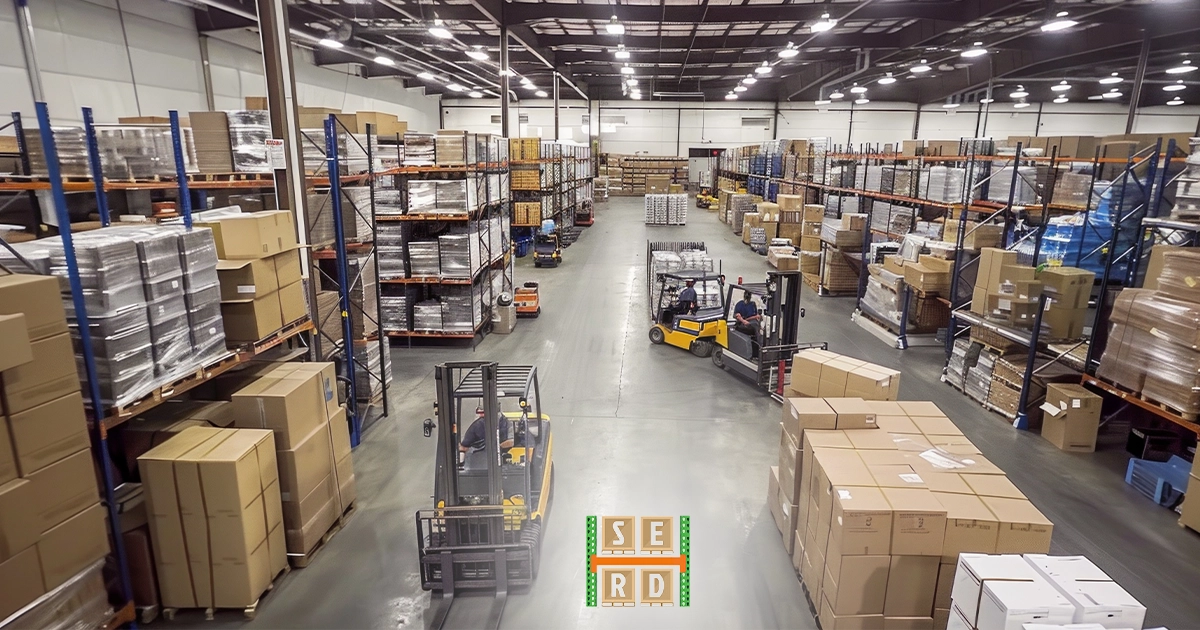
Choosing the right dimensions is just as important as selecting the type of racking. Standard pallet racks typically vary in height, depth, and width, but the key is customization based on your warehouse layout.
For example, taller systems maximize vertical space but require proper equipment like reach trucks or forklifts. Deeper racks increase storage density but may limit accessibility.
Smart warehouse managers focus on:
- Ceiling height utilization
- Aisle width for equipment maneuverability
- Pallet size consistency
Efficient warehouse pallet storage solutions are all about balance—maximizing storage without compromising accessibility or safety.
How to Choose the Right Pallet Racking System
With so many options available, selecting the right system can feel overwhelming. The best approach is to align your storage solution with your operational goals.
Start by asking:
- How fast does your inventory move?
- Do you need direct access to every pallet?
- What type of products are you storing?
- How much space do you want to save?
For fast-moving goods, selective or pallet flow systems work best. For bulk storage, drive-in systems are more efficient. And for specialized items, cantilever systems are the way to go.
If you’re planning to upgrade or install new pallet rack systems for warehouses, it’s worth consulting experts who understand both layout design and load requirements.
Why Your Current System Might Be Holding You Back
Many warehouses in Atlanta continue using outdated racking without realizing the hidden costs. Poorly optimized systems lead to:
- Wasted vertical space
- Slower picking times
- Increased labor costs
- Higher risk of damage and accidents
Modern pallet racking systems for warehouse storage are designed to eliminate these inefficiencies. Even small adjustments—like reconfiguring aisle widths or upgrading to a higher-density system—can dramatically improve productivity.
Your warehouse is more than just a storage space—it’s a critical part of your business operations. Investing in the right pallet racking system can unlock hidden capacity, streamline workflows, and boost overall efficiency.
Whether you’re expanding, relocating, or simply optimizing your current setup, Southeast Rack Depot in Atlanta, GA is here to help you find the ideal solution. From design to installation, choosing the right pallet rack systems can make all the difference between a crowded warehouse and a high-performing one.
If your current setup isn’t delivering results, it might be time for an upgrade.