


0
0
Wed, March 6th, 2024

Best practices for pallet racking system layout optimization
Optimizing the layout of a pallet racking system involves several considerations to ensure efficiency, safety, and maximum use of space. The best practices can optimize the pallet rack layout system to improve efficiency, safety, and overall warehouse productivity to ensure optimal performance. Here are some best practices for pallet racking system layout planning:
- Understand your inventory: Before designing the layout, thoroughly analyze your inventory. Consider factors such as product dimensions, weight, turnover rates, and storage requirements (e.g., temperature-sensitive items).
- Utilize vertical space: Pallet racking systems are designed to maximize vertical space utilization. Consider the height of your facility and the capabilities of your forklifts when determining the height of the racks. High-density storage systems like double-deep racks or drive-in racks can help optimize vertical space.
- Implement FIFO/LIFO: Depending on your inventory management strategy (e.g., FIFO (First In, First Out) or LIFO (Last In, First Out), arrange your racks accordingly. FIFO is common for perishable goods or products with expiration dates, while LIFO may be suitable for non-perishable items.
- Consider accessibility: Ensure that aisles are wide enough for the safe movement of forklifts and personnel. The layout should allow easy access to all pallets for loading, unloading, and inventory management. Consider aisle widths based on the types of forklifts used and the turning radius required.
- Optimize rack configuration: Depending on your inventory mix, choose the appropriate rack configurations, such as selective, push-back, pallet flow, or drive-in racks. Selective racks provide easy access to each pallet, while push-back or pallet flow racks maximize storage density.
- Use rack accessories: Accessories like pallet supports, wire decking, and dividers can enhance the stability and organization of pallets within racks. They can also help prevent product damage and improve safety.
- Implement safety measures: Safety should be a top priority in pallet racking system design. Install safety features such as rack guards, column protectors, and aisle markings to prevent accidents and injuries.
- Regular maintenance and inspections: Conduct regular inspections of the pallet racking system to identify and address any signs of damage, wear, or structural issues. Implement a maintenance schedule to ensure the system remains in optimal condition.
- Utilize software tools: There are various software tools available for designing and simulating pallet racking layouts. These tools can help optimize space utilization, analyze load capacities, and simulate workflows to identify potential bottlenecks or inefficiencies.
- Flexibility for future expansion: Design the layout with flexibility in mind to accommodate future growth or changes in inventory requirements. Consider modular rack systems that can be easily reconfigured or expanded as needed.
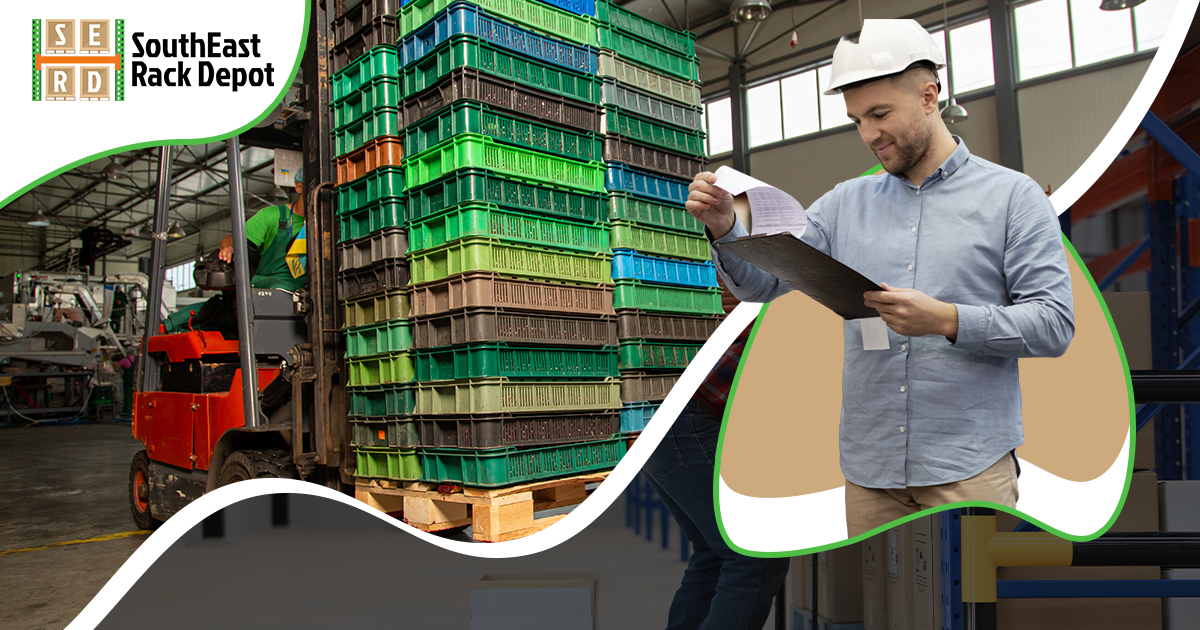
Strategies to maximize warehouse space during pallet racking system relocation.
Relocating the pallet racking system presents an opportunity to reassess warehouse space optimization. Here are some strategies for maximizing warehouse space during pallet racking system relocation:
- Inventory analysis: Conduct a thorough analysis of your inventory to determine its characteristics, including size, weight, and turnover rate. This information will help you design an efficient layout that maximizes available space.
- Vertical space utilization: When relocating the pallet racking system, consider utilizing vertical space more effectively. Opt for taller racks if the ceiling height allows, and ensure that the new layout takes full advantage of the available height.
- Consolidation and reorganization: Use the relocation as an opportunity to consolidate inventory and reorganize storage areas. Group similar items together and arrange them based on their frequency of use or other relevant factors to optimize space utilization.
- Reconfigure aisles: Evaluate the width of aisles in the new layout and adjust them as needed to optimize space. Narrower aisles can help maximize storage capacity, but ensure they remain wide enough for the safe movement of forklifts and personnel.
- Implement lean practices: Apply lean principles to optimize warehouse operations and eliminate waste. Streamline processes, minimize excess inventory, and optimize workflows to maximize space efficiency.
- Invest in space optimization tools: Use warehouse management software or space optimization tools to design and simulate the new layout before implementation. These tools can help identify potential space-saving opportunities and optimize the arrangement of racks and inventory.
- Plan for future growth: Anticipate future growth and scalability when designing the new pallet racking layout. Leave room for expansion and ensure the chosen layout can accommodate changes in inventory volume or storage requirements.
Not Sure about what you need?
Contact a pro- Recent Posts
- Popular Posts
- Buying Used Pallet Racks? 7 Things to Check Before You Buy
- What is Pallet Rack Wire Decking?
- Pallet Rack Accessories: How to Choose the Right Options for Your Warehouse
- What Are Heavy Duty Pallet Racks?
- Understanding the Basics of Pallet Racking
- Pallet Rack Accessories: How to Choose the Right Options for Your Warehouse
- Buying Used Pallet Racks? 7 Things to Check Before You Buy
- Pallet Racking: Types, Load Capacity And Dimensions
- Why Professional Warehouse Consultation Is Essential for Scaling Your Business?
- Warehouse Layout Design Guide for Better Storage and Workflow